The Boise Guide to Fixing Leaky Condensate Pumps
Why Your Boise Home Needs a Functional Condensate Pump
In the Treasure Valley, we are no strangers to the dry, high-desert heat. While our humidity levels aren’t as swampy as the South, your Air Conditioning system still works incredibly hard to pull moisture out of your indoor air. This process is essential for maintaining comfort and protecting your home’s structural integrity.
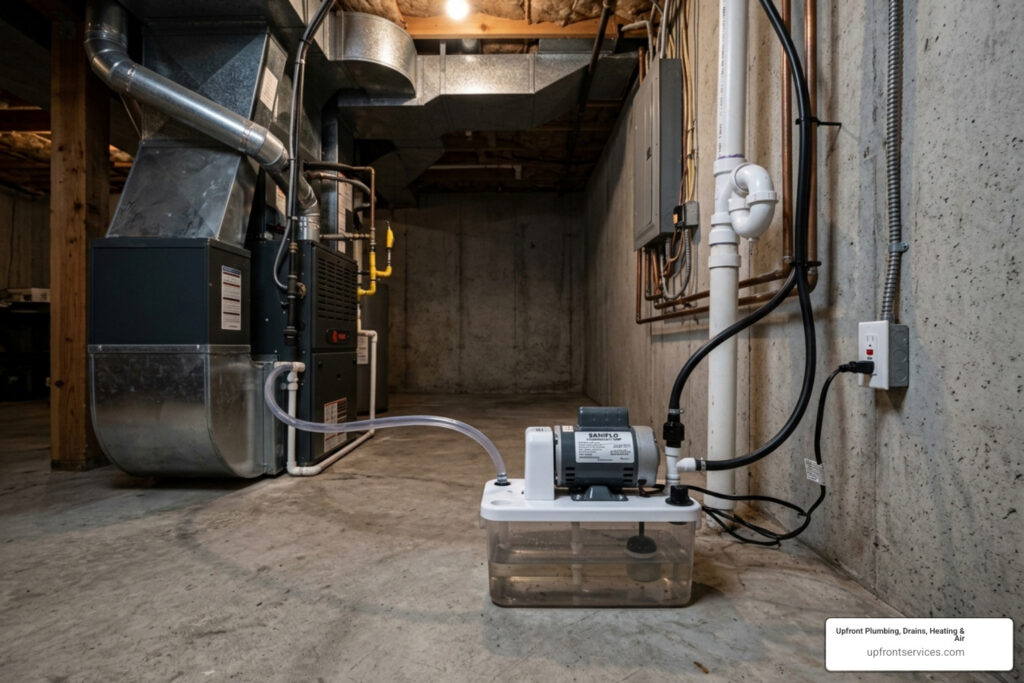
In many Boise Id homes, the HVAC unit is located in a basement or a crawlspace where gravity drainage isn’t an option. Without a natural slope to carry water outside, your system relies entirely on a condensate pump. This small, motorized tank collects the “sweat” from your cooling coils and pumps it up and out of your home.
Beyond just moving water, these pumps are vital for indoor air quality. Research from the Environmental Protection Agency shows that indoor air can be 2-5 times more polluted than outdoor air. A malfunctioning pump leads to standing water, which becomes a breeding ground for biological growth and pollutants that can be circulated through your vents. If your system is struggling to heat or cool properly, you might even need Heat Pump Repair Boise to ensure the entire drainage and refrigerant cycle is functioning correctly.
Essential Role in Modern HVAC
Modern high-efficiency furnaces and AC units produce a surprising amount of liquid. High-efficiency gas furnaces create acidic condensate during the combustion process, which must be safely removed to prevent corrosion. In Boise, where many homeowners have upgraded to these “green” systems, the condensate pump is the unsung hero that prevents basement flooding and keeps the furnace integration running smoothly.
Common Signs of Failure and Water Damage Risks
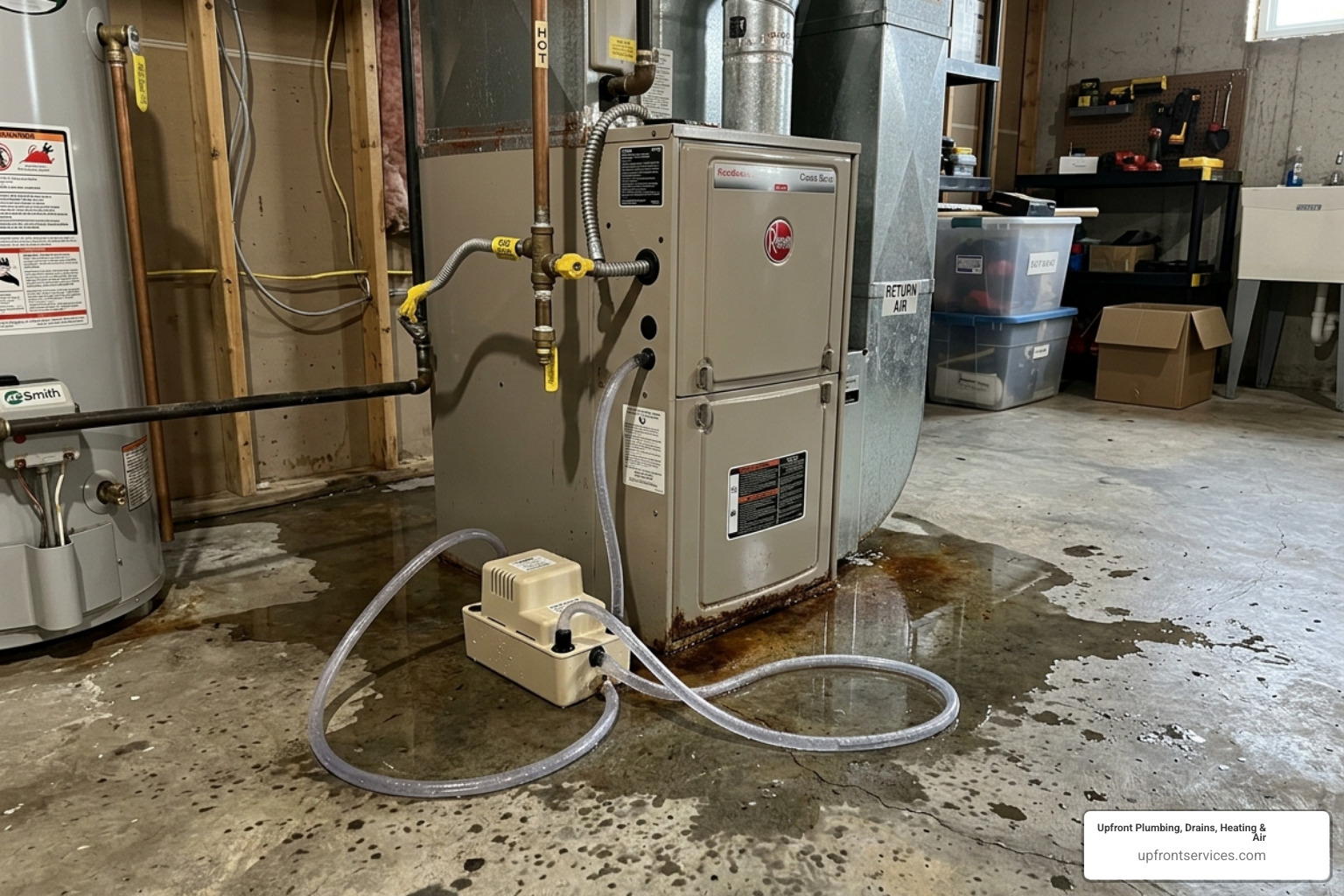
Detecting a failure early can save you thousands in restoration costs. Because a clogged condensate drain is the #1 cause of water damage from HVAC systems in Boise, keeping a close eye on the area around your furnace or air handler is a must.
When a pump fails, the water has nowhere to go but onto your floor. This can lead to warped floorboards, ruined drywall, and the rapid growth of mold. Furthermore, a faulty drainage system can lead to a 30% loss in cooling capacity. When the system can’t shed moisture efficiently, it works harder, runs longer, and wears out faster. This is why regular Boise HVAC Maintenance is so critical for the longevity of your equipment.
If you notice water where it shouldn’t be, it’s time to look into Hvac Repair before a small leak becomes a major flood.
Identifying a Malfunctioning Unit
- Constant Running: If you hear the pump motor humming non-stop, the float switch might be stuck in the “on” position, or the check valve may be failing, allowing water to flow back into the tank.
- Strange Noises: Squealing, grinding, or loud vibrating sounds usually indicate that the motor bearings are failing or there is a mechanical blockage in the impeller.
- System Short-Cycling: Many modern pumps are wired into a safety switch. If the pump overflows, it trips the switch and shuts down your AC to prevent a flood. If your AC keeps turning off unexpectedly, the pump might be the culprit.
Troubleshooting and Condensate Pump Repair Boise Steps
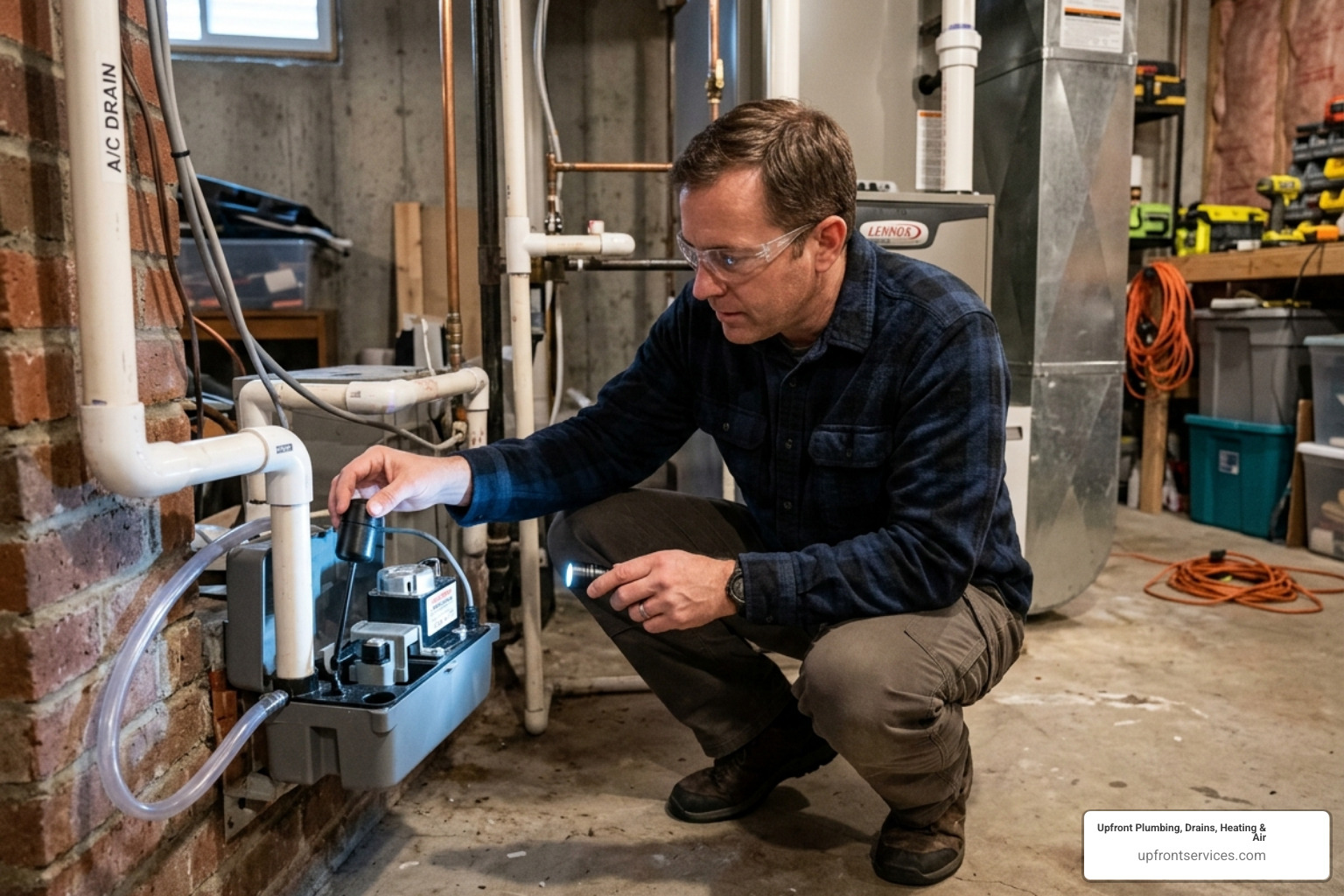
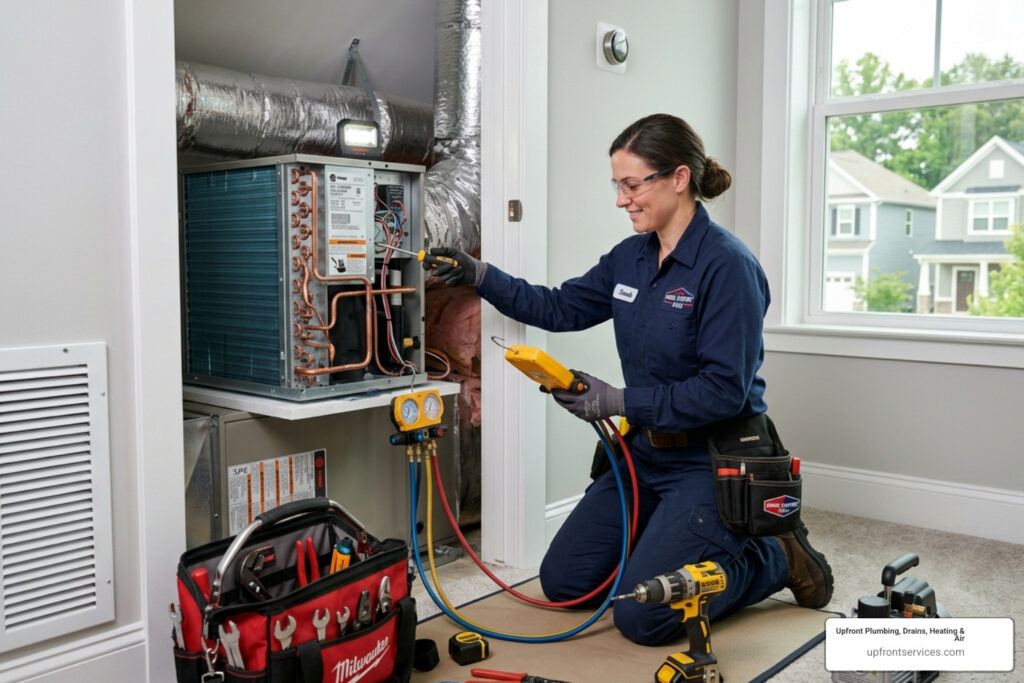
Before you panic, there are several troubleshooting steps you can take. Often, condensate pump repair Boise homeowners perform themselves involves simple cleaning rather than complex mechanical work.
First, check the power. Ensure the pump is plugged into a functional GFI outlet. Sometimes, these outlets trip, cutting power to the pump while the rest of your Heating Air system keeps running.
Next, test the float. Most pumps have a plastic float that rises with the water level. Gently lift this float with your finger. If the motor kicks on, the pump is working, but the float might have been stuck by algae or “slime.” If the motor doesn’t turn on, the motor itself may be burnt out.
Step-by-Step DIY Cleaning
If the pump is gunky, a thorough cleaning can often restore function. Follow these steps for basic Hvac Maintenance:
- Unplug the unit: Safety first! Disconnect the power and the inlet pipes.
- Remove the reservoir: Most pumps allow you to pop the top off or unscrew the tank.
- Scrub algae: Use a mixture of warm water and mild soap (or a splash of white vinegar) to scrub away the “algae snot” that builds up in the tank.
- Check the discharge line: Blow through the line or use a wet/dry vac to ensure there are no clogs of dust or mineral deposits.
- Flush the line: Once reassembled, pour some water into the tank to ensure the pump triggers and pushes the water all the way outside.
What Causes Pump Failure in the Treasure Valley?
Boise’s environment is unique, and it presents specific challenges for HVAC components. While the typical central air conditioner lifespan in the Boise climate is 12-15 years, the condensate pump often fails much sooner due to environmental factors.
One of the biggest culprits in the spring and early summer is the “snow” of cottonwood seeds. These seeds, combined with high-desert dust, find their way into every nook and cranny of your system. When this debris mixes with the moisture in your condensate tray, it creates a thick, fabric-like sludge that easily clogs pump impellers and discharge lines.
In the winter, the danger shifts to freezing. If your discharge line isn’t buried deep enough or insulated where it exits the house, the standing water inside can freeze solid. This prevents the pump from discharging, leading to a backup. If your system is aging and these issues become frequent, it may be time to consider an Hvac Replacement for a more reliable, modern setup.
Impact of Boise’s Dry Summer Heat
Our low humidity means that when the AC does pull moisture out of the air, it carries a high concentration of minerals and dust. As water evaporates in the reservoir during the off-cycles of a hot July afternoon, it leaves behind mineral scale. Over time, this scale can seize the motor or clog the check valve. This is why Get Your Comfort Back With Heat Pump Repair Boise services often include a deep-clean of the drainage system.
Professional Maintenance and Repair Costs
When DIY fixes don’t cut it, you’ll need professional help. At Upfront, we believe in transparency, which is why we provide clear pricing before any work begins. You can learn more About our commitment to honest service on our website.
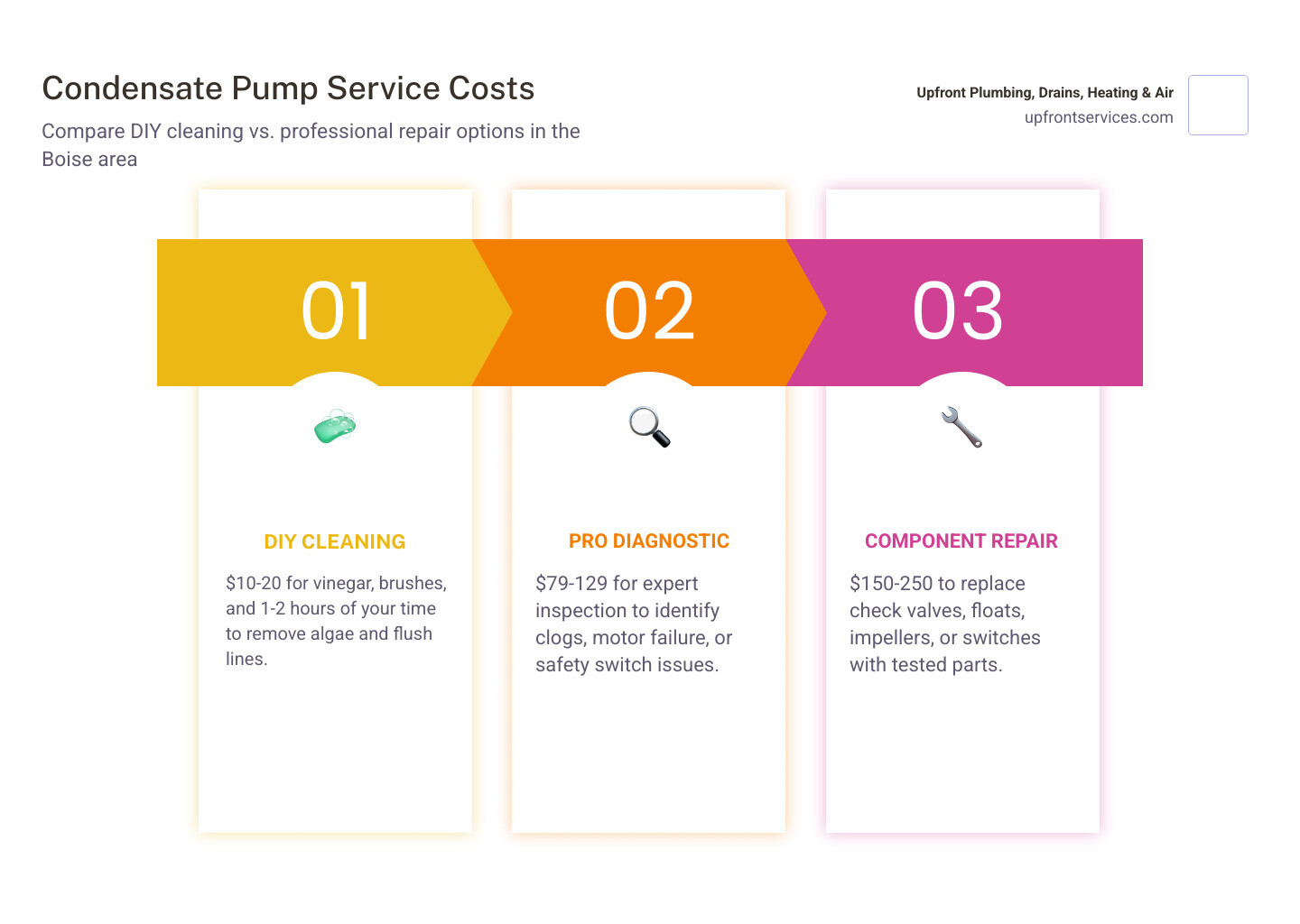
| Service Type | Estimated Cost (Boise Area) | What’s Included |
|---|---|---|
| DIY Cleaning | $10 – $20 | Vinegar, brushes, and your time. |
| Professional Diagnostic | $79 – $129 | Expert inspection and failure identification. |
| Component Repair | $150 – $250 | Replacing check valves, floats, or safety switches. |
| Full Pump Replacement | $300 – $550 | New industrial-grade pump, labor, and warranty. |
Note: Prices in April 2026 may vary based on specific equipment requirements and emergency after-hours rates.
When to Repair vs. Replace
If your pump is more than 5 years old and the motor has burnt out, replacement is almost always the better option. The cost of a new motor and the labor to install it often nears the price of a brand-new, warrantied unit. However, if the issue is just a cracked reservoir or a stuck check valve on a relatively new pump, a simple repair is a cost-effective way to get your system back online.
Frequently Asked Questions about Condensate Pump Repair
Can I perform a DIY condensate pump repair Boise?
Yes, many basic issues can be handled by a handy homeowner. Cleaning the tank, clearing a clogged line with a vacuum, and ensuring the float moves freely are all safe DIY tasks. However, if the repair involves electrical wiring or if the pump’s safety switch is integrated into your furnace’s control board, we recommend calling a professional to avoid damaging your expensive HVAC system.
How much does professional condensate pump repair Boise cost?
In the Boise market, a standard service call plus the cost of a high-quality replacement pump typically ranges between $300 and $550. Factors that affect the price include the “head height” (how high the pump has to push the water), the length of the discharge line, and whether the pump needs to be integrated into a home security or HVAC overflow alarm.
How often should I clean my pump to prevent failure?
We recommend a quick inspection every spring before the cooling season starts. Adding “algae tablets” to the reservoir twice a year can prevent the buildup of slime that leads to clogs. An annual professional inspection as part of your seasonal tune-up is the best way to ensure you aren’t surprised by a flood in the middle of summer.
Conclusion
A leaky or broken condensate pump might seem like a small problem, but in the Boise climate, it can quickly escalate into a household disaster. Whether it’s the high-desert dust clogging your lines or a motor that has simply reached the end of its 15-year lifespan, prompt action is the key to preventing water damage and maintaining your home’s comfort.
At Upfront, we’ve spent over 25 years providing the Treasure Valley with honest, upfront pricing and quality work that stands the test of time. We don’t believe in hidden fees or selling you parts you don’t need.
Don’t let a failed pump dampen your summer. Contact our expert team today for a permanent solution.