The Cheapest Ways to Drain Cleaning
Why Drain Cleaning Costs Less Than You Think
Drain cleaning is something most homeowners only think about when something goes wrong — and by then, it can feel urgent and expensive.
Here are the most cost-effective ways to clean a drain, from cheapest to most involved:
- Baking soda and vinegar — Free or nearly free; best for mild, early-stage buildup
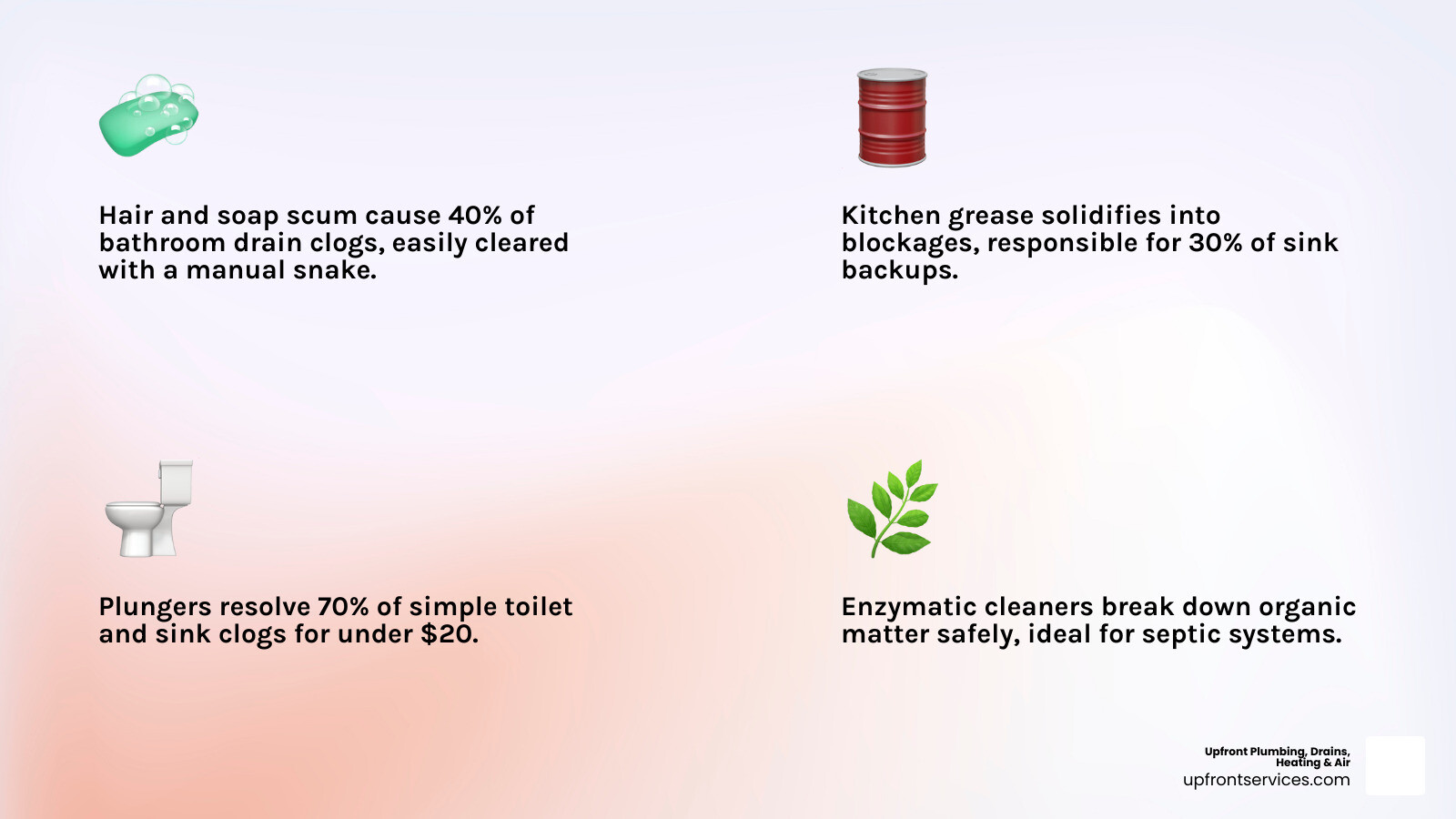
- Plunger — $5–$20; effective for simple toilet and sink clogs
- Manual drain snake (e.g., FlexiSnake) — $10–$30; great for hair and soap clogs in bathroom drains
- Chemical drain cleaner (e.g., Instant Power, Drano) — $7–$25; fast-acting but use with caution
- Enzymatic cleaner — $10–$30; slower but safer for pipes and septic systems
- Powered/cordless drain auger — $30–$100+; handles deeper, tougher clogs
- Tool rental (Home Depot) — Pay-per-use access to professional-grade equipment
- Professional drain cleaning service — Most thorough; recommended for recurring or main-line clogs
Most clogs start small. A slow-draining sink or a shower that pools water around your feet are early warning signs. Left alone, those minor annoyances can turn into backups, water damage, or even a cracked pipe — all far more expensive than the original problem.
The good news? Many drain clogs are fixable without calling a plumber, especially if you catch them early and use the right tool for the job.
Upfront, is a results-driven problem solver with hands-on experience identifying cost-effective solutions — including navigating the real costs and trade-offs of drain cleaning methods for homeowners and businesses. Let’s walk through everything you need to know to keep your drains clear without overspending.
Common Causes of Household Clogs
Understanding why your pipes stop flowing is the first step toward saving money. Most clogs aren’t sudden accidents; they are the result of weeks or months of accumulation. In our experience servicing homes in Boise, Meridian, and Eagle, we see the same culprits time and again.
- Hair Buildup: This is the #1 cause of shower and bathroom sink clogs. Hair is surprisingly strong and acts like a net, catching soap scum and skin cells until it forms a waterproof mat.
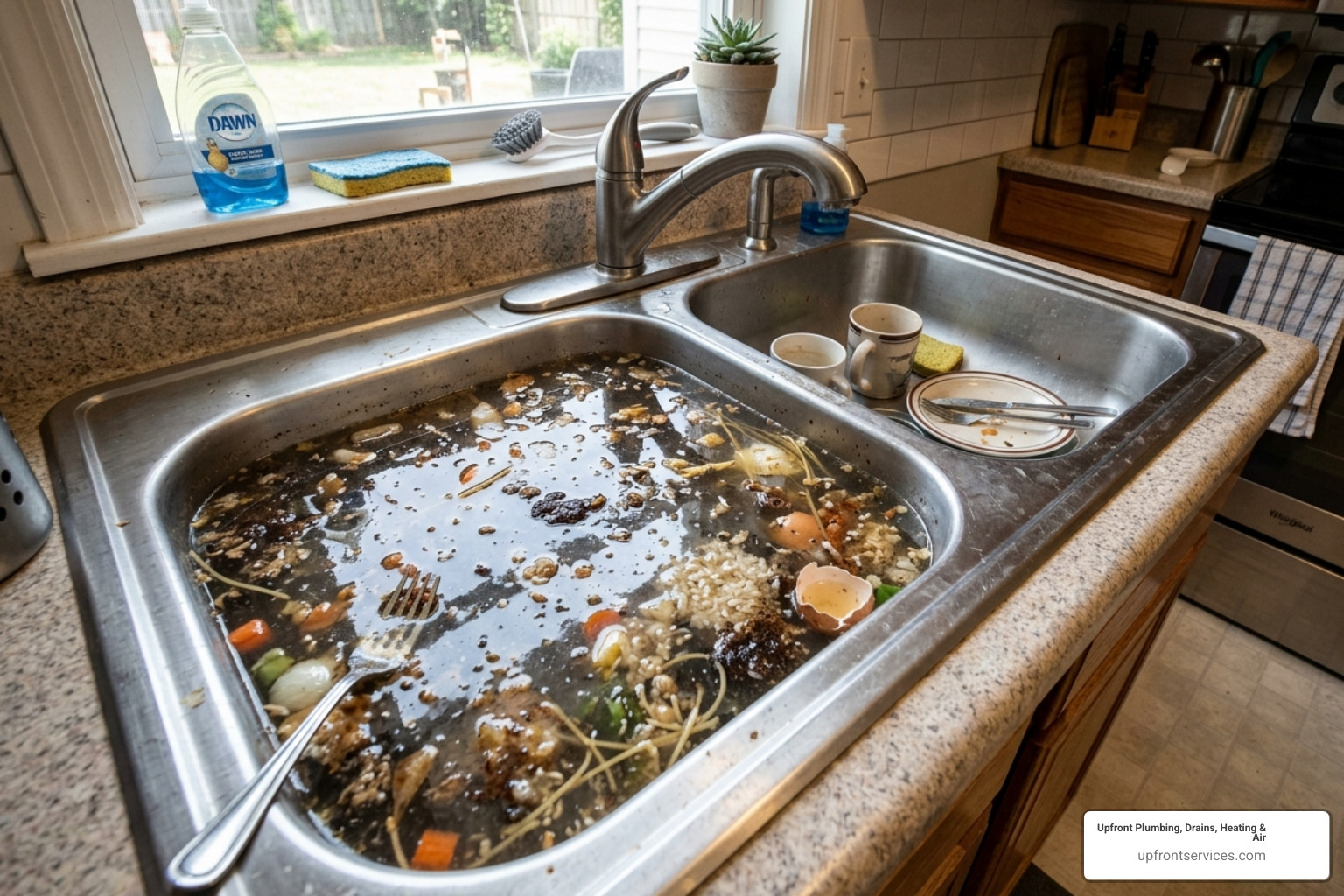
- Grease Solidification: Many people think pouring hot grease down the kitchen sink is fine as long as they run hot water. In reality, that grease eventually cools and sticks to the pipe walls like “plumbing cholesterol,” narrowing the passage until nothing can get through.
- Soap Scum: Modern soaps contain fats that react with minerals in the water to create a sticky residue. This residue coats the inside of your pipes and grabs onto other debris.
- Foreign Objects: From “flushable” wipes (which aren’t actually flushable) to small toys and dental floss, items that don’t dissolve easily are major clog triggers.
If your pipes are already showing signs of wear or structural damage due to these clogs, you might need to look into more info about drain repair to ensure your home stays dry and functional.
The Impact of Hard Water and Mineral Deposits
In many parts of Idaho, particularly around Nampa and Caldwell, hard water is a silent enemy of your plumbing. Hard water contains high levels of calcium and magnesium. Over time, these minerals settle out of the water and attach to the inside of your pipes, creating a hard “scale.”
This scale acts like a crust that narrows the diameter of the pipe. A pipe that was originally two inches wide might eventually only have a half-inch opening. This makes it much easier for a small piece of food or a clump of hair to cause a total backup. Regular Professional Drain Cleaning Services can help remove this mineral buildup before it requires a full pipe replacement.
Food Waste and Kitchen Grease
The kitchen is the heart of the home, but it’s also the primary source of organic clogs. Cooking oils, fats, and fibrous food scraps (like celery or potato peels) are notorious for jamming garbage disposals and clogging P-traps. Even if you have a powerful disposal, the ground-up organic matter can settle in the horizontal pipes under your floor, leading to slow drains. For broader issues involving your home’s water flow, you can find more info about general plumbing to keep everything in top shape.
Affordable DIY Tools and Methods
You don’t always need a heavy-duty machine to get things moving again. There are several affordable tools available at retailers like Home Depot or Amazon that can handle 80% of common household clogs.
Essential DIY Tool List:
- Standard Cup Plunger: Best for sinks and tubs.
- Flange Plunger: Specifically designed with a fold-out sleeve to seal against toilet drains.
- FlexiSnake or Drain Weasel: A thin, flexible plastic wand with hook-and-loop tips that grab hair clogs in seconds. These often cost less than $10 and have thousands of 4.4/5 star reviews on Amazon.
- Manual Hand Auger: A 25-foot steel cable housed in a plastic drum. You turn a handle to feed the cable into the drain.
For those in Garden City or Eagle looking for the most efficient DIY route, starting with a manual snake is often the smartest move. It’s a one-time investment that pays for itself the first time you avoid a service call. You can find more info about drain cleaning techniques to make the most of these tools.
Step-by-Step Guide to Manual Drain Cleaning
Using a manual drain snake (or auger) is a skill every homeowner should have. Here is how we recommend doing it safely:
- Remove the Stopper: For bathroom sinks, you may need to go under the sink and unscrew the nut holding the pop-up lever to pull the stopper out.
- Insert the Cable: Push the end of the snake into the drain. If you hit resistance almost immediately, you’re likely just hitting the “P-trap” (the U-shaped bend).
- Rotate and Push: Turn the handle of the auger while applying light forward pressure. The rotation helps the head of the snake “walk” around corners and chew into the clog.
- Hook the Clog: Once you feel the cable grab onto something solid (like a hair mass), stop turning and slowly pull the cable back out.
- Flush the Line: Once the clog is removed, run hot water for several minutes to wash away any remaining residue.
This method is highly effective for Expert Sewer Cleaning on a small scale, specifically for branch lines leading from your fixtures.
Using Powered Augers for Stubborn Blockages
If a manual snake isn’t cutting it, you can upgrade to a powered auger. These tools, like the POPULO 20V Cordless Electric Drain Auger, use a motor to spin the cable. This provides much more torque to break through grease or soap scum. Many of these units feature 25-foot cables and auto-feed triggers, making the job much cleaner since you don’t have to touch the dirty cable as it retracts.
Chemical vs. Enzymatic Cleaners: What’s Best for Your Pipes?
When a drain slows down, most people reach for a bottle under the sink. However, not all liquids are created equal.
Chemical Drain Cleaners (The Fast Fix)
Products like Drano Max Gel or Instant Power Hair and Grease are usually “caustic” (containing lye or sodium hydroxide) or “oxidizing” (containing bleach or peroxides).
- How they work: They create a chemical reaction that generates heat and dissolves organic matter like hair and fat.
- The Risk: These chemicals are harsh. If you have an older home in Boise with cast iron pipes, the heat and acidity can actually accelerate corrosion. If the clog doesn’t clear, you’re left with a sink full of toxic “acid water” that makes it dangerous for a plumber to work on later.
Enzymatic Cleaners (The Long-Term Solution)
Products like Green Gobbler or Bio-Clean use natural bacteria and enzymes to “eat” organic waste.
- How they work: They don’t provide an instant fix. You usually pour them in and let them sit overnight. The enzymes break down the “bio-film” (the gunk) on the pipe walls.
- The Benefit: They are 100% safe for all pipe types, septic systems, and the environment. They are excellent for preventative maintenance.
| Feature | Chemical Cleaners | Enzymatic Cleaners |
|---|---|---|
| Speed | 15–30 minutes | 8–24 hours |
| Safety | High risk of burns/pipe damage | Completely safe |
| Best For | Total blockages | Slow drains & maintenance |
| Eco-Friendly | No | Yes |
If your pipes have been severely damaged by years of harsh chemical use, you may need to explore more info about sewer replacement options.
Eco-Friendly Drain Cleaning Solutions
For those who want to avoid chemicals entirely, a mixture of baking soda and vinegar can provide a mild fizzing action that helps loosen light debris. Follow it with a gallon of boiling water (but only if you have metal pipes—boiling water can soften PVC joints!). For a more robust eco-friendly approach, look for biodegradable, non-toxic enzymatic formulas that are labeled as septic-safe.
Safety Precautions for Chemical Handling
If you must use a chemical cleaner:
- Wear PPE: Use rubber gloves and safety goggles. A single splash of caustic cleaner can cause permanent eye damage.
- Ventilate: Open a window or turn on the bathroom fan to avoid inhaling fumes.
- Never Mix: Never mix different drain cleaners, and never use a plunger after pouring chemicals down (to avoid splashing).
- Protect Your Pipes: If you find yourself using chemicals frequently, it might be time for more info about repiping to replace weakened sections of your plumbing.
When to Call a Professional for Drain Cleaning
DIY methods are great for “branch lines” (the small pipes under your sink), but they often fail when the problem is in the “main line” (the big pipe under your yard).
Signs you need a pro:
- Multiple Backups: If the toilet bubbles when you run the sink, or the shower fills up when you flush, the clog is deep in the main line.
- Foul Odors: Persistent “sewer gas” smells can indicate a broken pipe or a deep blockage that DIY tools can’t reach.
- Recurring Clogs: If you have to snake the same drain every month, you aren’t removing the clog; you’re just poking a small hole through it.
In these cases, more info about sewer repair is necessary to address the root cause, such as tree root intrusion or a collapsed pipe.
Advanced Diagnostic Tools
Professional plumbers use technology that you can’t rent at a hardware store. Video Camera Inspections involve feeding a high-definition camera on a fiber-optic cable up to 200 feet into your sewer line. This allows us to see exactly what is happening—whether it’s a mass of roots, a “belly” in the pipe, or a foreign object. This diagnostic step is also helpful when evaluating other home systems, such as more info about water heaters, to ensure your entire plumbing network is healthy.
Hydro Jetting and Main Line Services
While a snake scrapes a path through a clog, Hydro Jetting cleans the pipe completely. Using specialized nozzles and water pressure up to 4,000 PSI, hydro jetting “scrubs” the pipe walls, removing grease, mineral scale, and even stubborn tree roots. It is the most thorough form of drain cleaning available and can make old pipes flow like new.
Frequently Asked Questions about Drain Cleaning
How often should I have my drains professionally cleaned?
For most residential homes in the Boise and Meridian area, a professional cleaning every 12 to 18 months is ideal. If you have an older home with mature trees (whose roots love to find sewer pipes), you might want to schedule an inspection every 6 to 12 months to prevent emergency backups.
Will chemical drain cleaners damage my PVC or cast iron pipes?
Occasional use is generally safe for PVC, but frequent use can weaken the glued joints. For cast iron, the danger is much higher; the acidic or caustic nature of these cleaners can eat through the bottom of an aged metal pipe, leading to hidden leaks under your foundation.
What is the difference between drain clearing and drain cleaning?
“Drain clearing” is a temporary fix—it’s like poking a hole in a wall so some water can get through. “Drain cleaning” (like hydro jetting) removes the entire blockage and all the buildup on the pipe walls, providing a long-lasting solution that prevents the clog from reforming quickly.
Conclusion
Keeping your drains clear doesn’t have to be a major financial burden. By catching clogs early with affordable tools like plungers and manual snakes, and by avoiding the “grease trap” in your kitchen, you can handle most issues yourself. However, when the DIY methods stop working, it’s important to bring in the experts.
At Upfront Plumbing, Drains, Heating & Air, we bring over 25 years of experience to every job in Salt Lake City and the surrounding Idaho areas like Boise and Eagle. Our mission is to provide honest, upfront pricing and quality work that we stand behind with unmatched warranties. We believe in doing the job right the first time so you can get back to your life.
Don’t wait for a small leak to become a flood. Contact Us today for an honest assessment of your plumbing needs.
Ready for a permanent fix? Schedule your professional drain cleaning today and experience the Upfront difference!