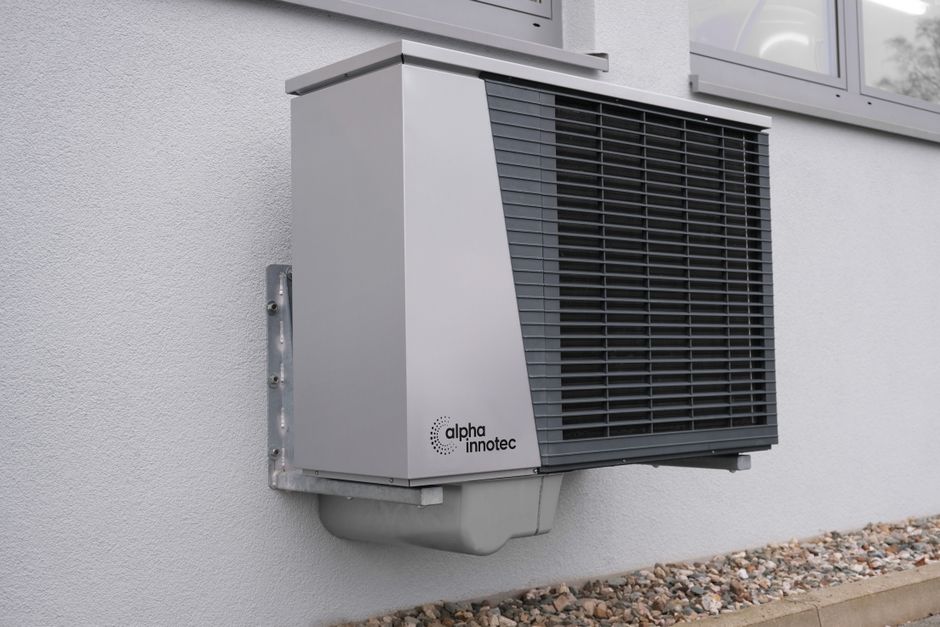
Don’t Get Cold Feet About Heat Pump Installation Boise
Is Heat Pump Installation in Boise Right for Your Home?
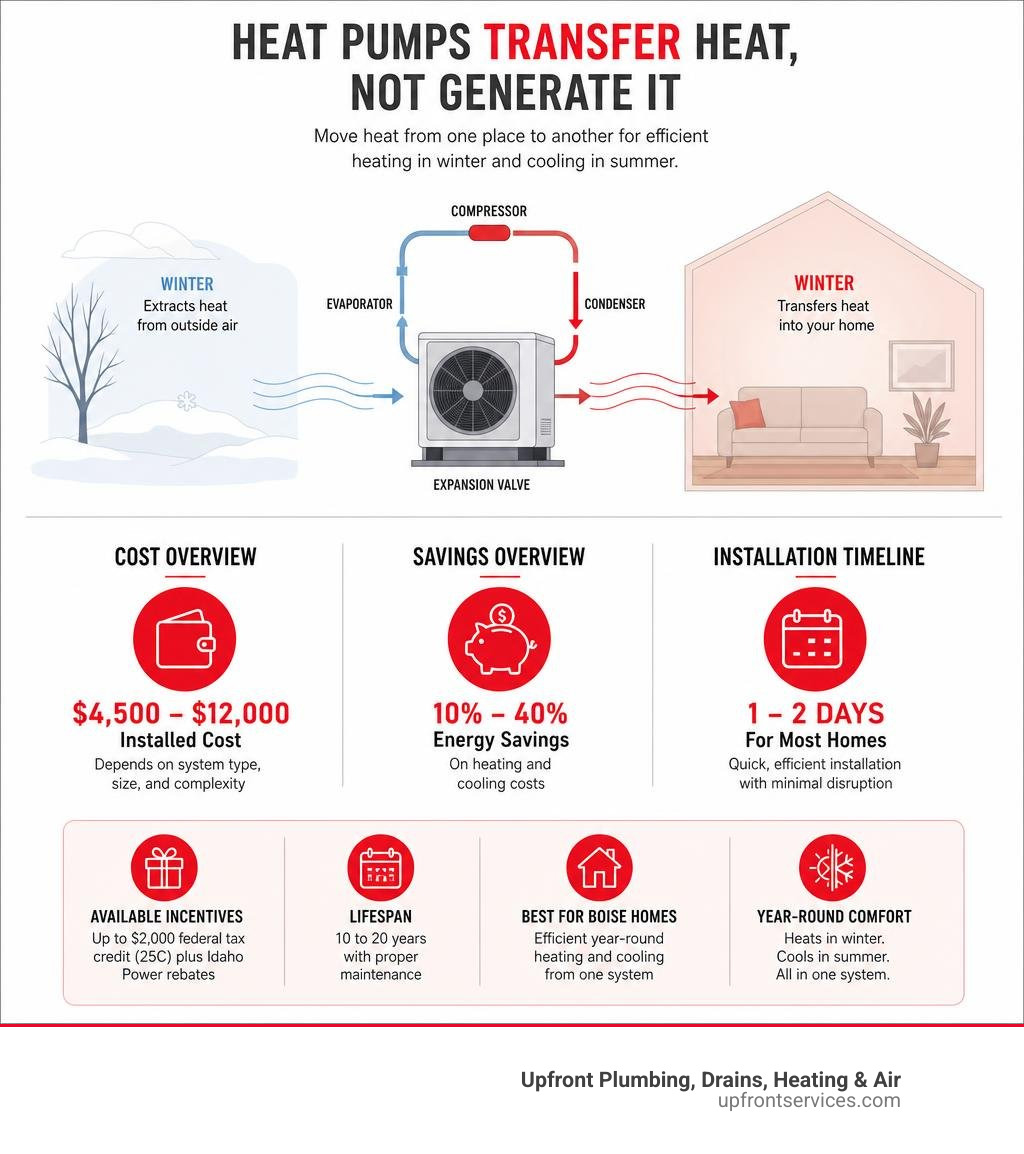
Heat pump installation in Boise is one of the smartest upgrades you can make to your home’s comfort and energy efficiency. Here’s a quick snapshot of what you need to know:
- Cost: $4,500 – $12,000 depending on system type, size, and complexity
- Installation time: 1 to 2 days for most homes
- Energy savings: 10% – 40% reduction in heating and cooling costs
- Available incentives: Up to $2,000 federal tax credit (25C) plus Idaho Power rebates
- Lifespan: 10 to 20 years with proper maintenance
- Best for: Boise homes needing efficient year-round heating and cooling from a single system
Boise’s climate is a tale of two seasons. Summers push temperatures into the 90s°F. Winters bring freezing nights and occasional snow. That swing puts real pressure on your home’s HVAC system — and it’s exactly why so many Boise homeowners are making the switch to heat pumps.
Unlike a furnace that burns fuel to generate heat, a heat pump moves heat. That distinction makes it far more efficient — the U.S. Department of Energy notes that modern heat pumps can deliver up to four times more energy than they consume. For a Boise homeowner watching energy bills climb every season, that’s a meaningful difference.
But with so many system types, efficiency ratings, and cost variables, it’s easy to feel overwhelmed before you even get started.
At Upfront, we’ve helped Idaho homeowners navigate the full process of heat pump installation in Boise — from choosing the right system to understanding local rebates that reduce upfront costs. In this guide, we’ll walk you through everything you need to make a confident, informed decision.
Related content about heat pump installation Boise:
How Heat Pumps Work in Boise’s Dynamic Climate
To understand why a heat pump is so effective for Treasure Valley homes, it helps to look at the science behind it. Traditional heating systems rely on combustion (burning natural gas, propane, or heating oil) or electrical resistance to create heat from scratch. Heat pumps, on the other hand, are masters of heat transfer.

A heat pump uses a compressor and a circulating loop of chemical refrigerant to absorb thermal energy from one location and release it in another.
- In the Summer (Cooling Mode): The system operates exactly like a standard Air Conditioning unit. It captures the unwanted heat from inside your living spaces and pumps it outdoors, leaving your home cool and refreshing.
- In the Winter (Heating Mode): The process reverses. The system extracts ambient thermal energy from the cold outdoor air—yes, even freezing air contains heat energy—and transfers it indoors to warm your home.
Because they move existing heat rather than generating it, heat pumps are incredibly eco-friendly and cost-effective. At Upfront, we specialize in designing custom Heating & Air systems that maximize this physical process, ensuring your home remains a comfortable sanctuary regardless of what the Idaho weather is doing outside.
How Heat Pumps Handle Idaho Winters
A common concern among local homeowners is whether a heat pump can truly keep up when winter temperatures drop below freezing. Historically, early heat pump models struggled when the thermometer dipped. However, modern cold-climate heat pump technology has changed the game.
Today’s cold-climate heat pumps utilize advanced inverter-driven compressors. Unlike traditional single-speed compressors that turn fully on or fully off, inverter compressors automatically adjust their speed in tiny increments. This allows them to run continuously at a highly efficient, lower capacity, extracting heat from outdoor air even when temperatures drop as low as 5°F.
When extreme cold snaps hit—pushing temperatures below freezing—the system can rely on auxiliary heating. This is often an electric resistance backup built directly into the indoor air handler, or it can be a dual-fuel setup where the heat pump pairs with a high-efficiency gas furnace. When selecting an HVAC Replacement, we thoroughly evaluate your home’s thermal envelope to ensure you have the perfect balance of primary and auxiliary heating.
Additionally, modern systems feature smart defrost cycles. When frost builds up on the outdoor coils during freezing weather, the heat pump temporarily reverses its cycle to melt the ice. Older systems ran defrost cycles on rigid, wasteful timers, but modern units use advanced sensors to run defrost cycles only when absolutely necessary, conserving precious energy.
Summer Cooling and Humidity Control
While we often focus on winter warmth, Boise summers are notoriously hot and dry. A heat pump excels at keeping your home cool by operating as a high-efficiency Air Conditioning system.
By reversing the flow of refrigerant, the heat pump pulls heat out of your indoor air and expels it outside. Because the system runs on variable-speed inverter technology, it provides incredibly consistent cooling without the annoying temperature swings common with older, single-stage air conditioners.
Furthermore, heat pumps act as excellent dehumidifiers. As warm indoor air passes over the cold evaporator coil, moisture in the air condenses on the coil and drains away. This dehumidification process makes the air feel cooler and crisper, allowing you to set your thermostat a couple of degrees higher without sacrificing comfort.
Planning Your Heat Pump Installation Boise: Costs, Sizing, and Timelines
Upgrading your home’s comfort system is a significant investment. Understanding the financial and logistical aspects of heat pump installation in Boise helps ensure a smooth, stress-free experience.
A standard heat pump installation typically ranges from $4,500 to $12,000. The final price tag depends on several key variables:
- System Type: Central ducted systems, ductless mini-splits, and geothermal setups all have vastly different equipment and labor costs.
- Capacity and Sizing: A larger home requires a system with more heating and cooling capacity (measured in tons or BTUs).
- Efficiency Ratings: Higher-efficiency models carry a higher upfront cost but yield greater monthly energy savings.
- Ductwork Condition: If your existing ductwork is leaky, poorly designed, or nonexistent, it will need to be repaired, modified, or replaced, which adds to the project cost.
To get the most out of your new system, an accurate sizing calculation is absolutely critical. We never rely on “rules of thumb” or guess based solely on square footage. Instead, we perform a comprehensive Manual J load calculation. This industry-standard calculation takes into account:
- The exact square footage and layout of your home
- Local Boise climate data
- The orientation of your home relative to the sun
- Wall, ceiling, and floor insulation levels
- The number, age, and type of windows and doors
- Air infiltration rates
Sizing your system correctly prevents “short-cycling” (turning on and off too rapidly), which wears out components prematurely and spikes your utility bills. It also ensures your system has enough muscle to keep you warm on the coldest January nights. If your home has older insulation, pairing an HVAC Replacement with minor weatherization upgrades can often allow you to install a smaller, less expensive heat pump system.
Why Professional Heat Pump Installation Boise Is Essential
A heat pump is a complex, highly engineered piece of machinery. Its performance, efficiency, and safety rely entirely on the quality of its installation.
All our installations are performed by highly trained, certified HVAC technicians who understand the unique demands of the Idaho climate. Additionally, every installation must strictly comply with the standards set by the Idaho Division of Building Safety. This includes securing the proper electrical and mechanical permits in Boise, Meridian, Nampa, Caldwell, Eagle, or Garden City.
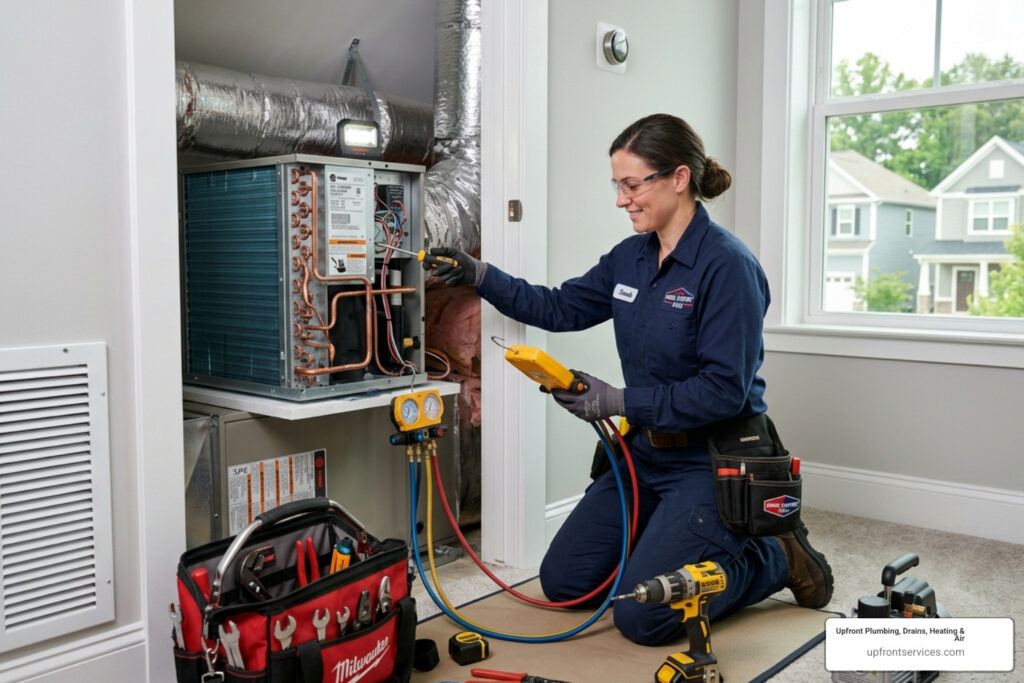
During a professional installation, our team performs meticulous system testing. We verify that the refrigerant charge is exact, the airflow meets manufacturer specifications, and the electrical connections are perfectly secure. Skipping these steps can reduce system efficiency by up to 30% and void your manufacturer warranty. When you partner with us for your project in Boise ID, you can rest easy knowing every detail is handled in strict accordance with local codes and manufacturer guidelines.
What to Expect During the Installation Process
We know that having technicians in your home can disrupt your daily routine. That is why we focus on efficiency, completing most standard installations in just one to two days. Here is what you can expect during the process:
- Site Preparation and Protection: We lay down drop cloths and wear protective shoe covers to keep your floors pristine.
- Removal of Old Equipment: We carefully reclaim old refrigerant according to EPA guidelines and safely remove your old furnace, air conditioner, or heat pump.
- Electrical and Infrastructure Upgrades: If necessary, we run new electrical lines, install a new outdoor disconnect box, and make sure your electrical panel can handle the new system.
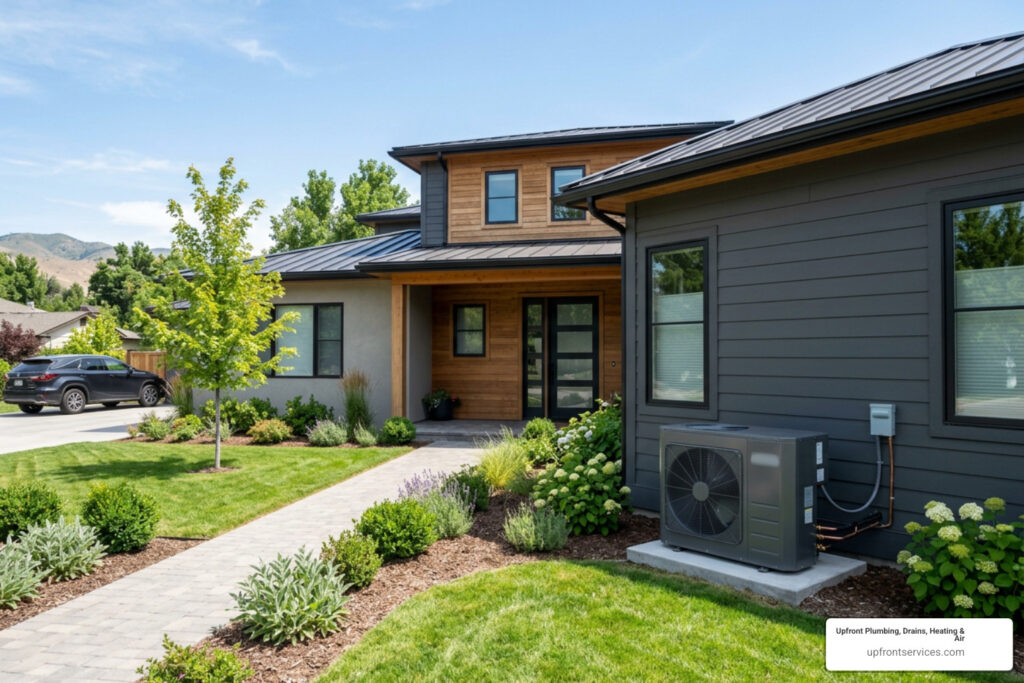
- Mounting and Placement: We secure the outdoor unit on a level, snow-elevated condenser pad to protect it from winter accumulation. The indoor air handler is mounted or integrated into your existing closet or basement space.
- Refrigerant Line and Ductwork Modification: We run new copper refrigerant line sets, insulate them properly, and make any necessary adjustments to your ductwork to optimize airflow.
- System Evacuation and Testing: We pull a deep vacuum on the refrigerant lines to eliminate moisture and impurities, release the refrigerant, and perform comprehensive startup testing.
- Customer Walk-Through: We show you how to operate your new thermostat, explain how to clean or replace filters, and share valuable tips for maximizing your system’s efficiency.
Choosing the Right Type of Heat Pump for Your Idaho Home
No two homes in the Treasure Valley are exactly alike. The right heat pump for a historic North End Boise home will look very different from the system needed for a spacious new build in Eagle or Meridian.
| Heat Pump Type | Best For | Efficiency Level | Average Lifespan | Key Advantage |
|---|---|---|---|---|
| Air-Source (Ducted) | Homes with existing, high-quality ductwork | High (SEER2 up to 20+) | 12 – 15 Years | Seamless whole-home comfort using existing infrastructure |
| Ductless Mini-Split | Older homes, home additions, or zoned heating | Very High (SEER2 up to 30) | 15 – 20 Years | Extremely quiet, no ductwork losses, custom room-by-room control |
| Geothermal (Ground-Source) | Large properties with ample yard space | Maximum (300% – 400%+) | 20 – 25+ Years | Lowest operational costs, unaffected by extreme air temperatures |
| Dual-Fuel (Hybrid) | Homeowners wanting maximum peace of mind in winter | High | 15 – 20 Years | Automatically switches between electric heat pump and gas furnace |
Air-Source and Ductless Mini-Split Systems
For homes that already have a central duct system in place, a ducted air-source heat pump is a natural choice. It replaces your old air conditioner and furnace, utilizing your existing vents to distribute warm and cool air evenly throughout your home.
However, many historic homes in Boise lack the space for bulky ductwork. In these situations, ductless mini-split systems are an outstanding alternative. These systems consist of a single outdoor condenser connected to one or more indoor air handlers mounted directly on the wall or ceiling.
Ductless systems provide incredible targeted climate control. Each indoor unit operates independently, allowing you to heat or cool only the rooms you are currently using. This zone-control capability can slash your energy consumption by up to 30%. If your existing ductless system or central heat pump ever runs into issues, you can count on our team to restore your comfort quickly—simply learn more about our options for Get Your Comfort Back with Heat Pump Repair Boise.
Geothermal and Dual-Fuel Options
If you are looking for the absolute peak of green technology and long-term savings, geothermal (ground-source) heat pumps are worth considering. Instead of extracting heat from the outdoor air, geothermal systems utilize a series of underground pipe loops to tap into the constant, moderate temperatures of the earth (usually around 50°F to 55°F a few feet below the surface).
While geothermal systems carry a higher upfront installation cost due to the excavation required, they are incredibly efficient. According to the U.S. Department of Energy, geothermal systems typically pay for themselves within seven years through dramatically lower utility bills. To dive deeper into this technology, check out our guide on Groundbreaking Comfort with Local Geothermal HVAC Experts.
For homeowners who want the ultimate reliability during severe Idaho cold snaps, a dual-fuel system is highly recommended. This setup pairs an electric air-source heat pump with a high-efficiency gas furnace. The heat pump handles all the cooling in the summer and provides highly efficient heating throughout the spring and autumn. When winter temperatures drop below freezing, the system automatically switches over to the gas furnace, ensuring you always have access to the most cost-effective and reliable heat source.
Maximizing Efficiency: Ratings, Rebates, and Long-Term Savings
To get the absolute best return on your investment, it is important to understand HVAC efficiency ratings and take advantage of the financial incentives available to Idaho homeowners.
When shopping for a heat pump, you will encounter three primary efficiency ratings:
- SEER2 (Seasonal Energy Efficiency Ratio 2): Measures cooling efficiency. The minimum SEER2 rating allowed in Idaho is 13.4, but we highly recommend opting for a system with a SEER2 of 16 or higher for optimal summer savings.
- HSPF2 (Heating Seasonal Performance Factor 2): Measures heating efficiency. The federal minimum for split-system heat pumps is 7.5, but high-efficiency models can reach 9 to 10+ HSPF2.
- ENERGY STAR® Certification: Systems carrying this label meet strict efficiency guidelines set by the EPA, ensuring maximum utility bill savings.
By upgrading to an energy-efficient heat pump, most local homeowners see a direct reduction of 10% to 40% on their monthly heating and cooling costs. Over the system’s lifespan, these savings can easily add up to thousands of dollars back in your pocket. To keep your system running at these peak efficiency levels year after year, regular HVAC Maintenance is essential.
Preparing Your Home for Heat Pump Installation Boise
A high-efficiency heat pump can only do so much if your home is actively losing conditioned air. To maximize your savings, we recommend taking a few preparatory steps before your installation:
- Perform a Home Energy Audit: Identify where your home is losing energy.
- Seal and Insulate Your Ductwork: Traditional duct systems can lose up to 40% of their heating and cooling energy through minor leaks and uninsulated runs.
- Add Weatherstripping: Seal drafty doors and windows to keep your indoor air inside.
- Upgrade Attic Insulation: Proper insulation levels prevent heat from escaping through your roof in the winter.
At Upfront, we take a holistic view of your home’s comfort. We can help you identify these simple efficiency bottlenecks so that your new heat pump operates as cost-effectively as possible.
Local Rebates and Federal Tax Credits
Upgrading your HVAC system is highly supported by both local utilities and the federal government. Homeowners who invest in qualifying energy-efficient heat pumps can access incredible financial incentives:
- Federal Energy Efficient Home Improvement Tax Credit (25C): This federal incentive allows you to claim a tax credit of up to $2,000 (or 30% of the total installation cost) for qualifying high-efficiency heat pumps.
- Idaho Power Rebates: Idaho Power offers generous cash-back rebates for residential customers who transition from electric resistance heat or older, inefficient systems to qualified smart-operating heat pumps.
These incentives can slash your upfront installation costs, making a premium, high-efficiency system much more accessible. Our team at Upfront will gladly help you navigate the necessary paperwork to ensure you receive every dollar you are entitled to.
Frequently Asked Questions About Boise Heat Pumps
How long do heat pumps typically last in Boise?
With professional installation and regular preventative maintenance, a high-quality heat pump will typically last 10 to 20 years. Because a heat pump works year-round (heating in winter and cooling in summer), it experiences more continuous wear than a standalone furnace.
To maximize your system’s lifespan, we highly recommend scheduling professional maintenance twice a year—once in the spring before the cooling season, and once in the autumn before the cold weather hits. If your system ever needs professional attention, our skilled technicians are always ready to help with reliable HVAC Repair services.
What are the most common heat pump problems?
Like any mechanical system, heat pumps can occasionally experience issues. Some of the most common problems include:
- Clogged Air Filters: Restricted airflow forces the system to work harder, reducing efficiency and potentially causing the system to overheat or freeze up.
- Frozen Coils: Dirty coils, low refrigerant levels, or restricted airflow can cause the outdoor or indoor coils to cake over with ice.
- Thermostat Malfunctions: If your thermostat is miscalibrated or has loose wiring, it won’t communicate properly with your heat pump.
- Refrigerant Leaks: Low refrigerant levels prevent the system from transferring heat effectively.
If you suspect your system is struggling, it is best to address the issue early to prevent minor glitches from turning into costly repairs. For helpful troubleshooting tips and professional assistance, check out our guide on how to Get Your Comfort Back with Heat Pump Repair Boise.
Can a heat pump completely replace my furnace in Idaho?
Yes! Modern cold-climate heat pumps are fully capable of serving as the sole heating source for homes in Boise, Meridian, Nampa, and the surrounding areas. These advanced systems are designed to operate efficiently even when outdoor temperatures drop well below freezing.
However, many local homeowners still prefer a dual-fuel setup. Pairing a heat pump with a high-efficiency gas furnace provides an extra layer of comfort and allows you to automatically switch to the most cost-effective fuel source during extreme sub-zero weather.
Conclusion
Investing in a heat pump installation in Boise is a fantastic way to secure year-round comfort, lower your monthly utility bills, and reduce your home’s environmental footprint. Whether you are upgrading an aging HVAC system, looking to add targeted climate control to an older home, or building a new property in the Treasure Valley, a modern heat pump is an exceptionally reliable and efficient choice.
At Upfront, we are proud to serve homeowners across Boise, Meridian, Nampa, Caldwell, Eagle, and Garden City. We stand apart in the home services industry by offering:
- Honest, Upfront Pricing: You will always know the exact cost of your project before any work begins—no hidden fees, no surprises.
- Quality Workmanship: Our certified technicians install every system to the highest industry and local regulatory standards.
- Unmatched Warranties: We back our installations with industry-leading guarantees so you can enjoy complete peace of mind for years to come.
Ready to upgrade your home’s comfort and start saving on your energy bills? Schedule your consultation with Upfront today and let our friendly, local experts design the perfect heat pump system for your Idaho home!
For further reading on heat pump technology, maintenance standards, and system options, you can explore industry guidelines, review reputable regional studies, or check out expert system reviews.